
Renting shouldn’t mean living with boring walls and dated countertops. Peel and stick wallpaper for renters has completely transformed how apartment dwellers can personalize their space without risking their security deposit. But not all peel and stick products are created equal, and choosing the wrong one can lead to peeling paint, sticky residue, and a very unhappy landlord.
In this guide, we’re breaking down everything you need to know about the best peel and stick wallpaper brands, contact paper brands, and peel and stick tile brands for renters in 2026. Plus, we’ll cover the key differences between product types, how to prep your walls, and the right way to remove everything cleanly when it’s time to move out.
This post may contain affiliate links. This means I will receive a portion of what is purchased through the links on this blog at no additional cost to you. This does not affect the products I choose to share or my opinions on them. Read more at my full disclosure.
Peel and Stick Wallpaper vs. Contact Paper: What’s the Difference?
Before you shop, it helps to understand what separates these two popular renter-friendly wall covering options — because they’re designed for very different applications.
What Is Peel and Stick Wallpaper?
Peel and stick wallpaper is designed specifically for walls. It uses a dry, pressure-sensitive adhesive that grips painted drywall without saturating it, which is what makes it possible to remove without pulling off the paint underneath. It has become one of the most popular renter apartment decorating ideas in recent years because it mimics the look of traditional wallpaper without any paste, mess, or permanent commitment.
Peel and stick wallpaper works best on smooth, semi-gloss or satin painted walls. It is ideal for accent walls, bathroom walls, and bedroom feature walls.
What Is Contact Paper?
Contact paper typically uses a water-based adhesive, which makes it more versatile for hard surfaces like countertops, cabinet interiors, shelving, and furniture. It is more durable than wallpaper and holds up better in moisture-prone areas like kitchens. However, because the adhesive is water-activated, prolonged exposure to water can eventually break it down — so proper installation and maintenance matters.
Contact paper can be used for a wider variety of projects beyond the walls. It is a fantastic option for lining cabinets, updating countertops, wrapping furniture, and refreshing any hard surface in your rental.
Bottom line: Use peel and stick wallpaper for your walls, and contact paper for countertops, cabinets, and furniture upgrades.
Do You Need to Prep Your Walls Before Applying Peel and Stick Wallpaper?
Yes! And this is one of the most important things renters overlook. Wall preparation is critical to both a successful application and a safe removal. Here’s what you need to know before you start.
What Wall Finishes Work Best?
Peel and stick wallpaper adheres best to walls painted in satin or semi-gloss finish. These finishes create a smooth, slightly sealed surface that allows the adhesive to grip without bonding too aggressively.
Flat or matte paint is the most risky surface for peel and stick products. Because matte paint is porous and often applied without a primer coat, the adhesive can sink in and bond directly with the paint itself — meaning when you go to remove the wallpaper, you may pull off chunks of paint with it. If you’re in a rental with matte walls, always do a test patch first.
How to Do a Wall Test Patch
Before committing to a full wall or room, cut a small piece of your peel and stick wallpaper (about 6 inches square) and apply it to an inconspicuous area of your wall. Leave it in place for at least one week — ideally two — before removing. This simulates real-world conditions far better than a quick overnight test. If the paint comes off with the test piece, you’ll want to explore other options before covering an entire wall.
Clean Your Walls Before Applying
Wipe down your walls with a slightly damp cloth and let them dry completely before applying any peel and stick product. Dust, grease, and oils reduce adhesion and can cause your wallpaper to peel prematurely at the edges.
How to Remove Peel and Stick Wallpaper Without Damaging Your Walls
When it comes time to move out — or just switch up your style — proper removal technique makes all the difference. Follow these steps to protect your walls and keep your security deposit intact.
Address any residue immediately. If you notice any sticky residue left behind, use a small amount of rubbing alcohol or Goo Gone on a soft cloth to gently remove it. Always test in a small area first.
Use low heat first. Run a hairdryer on a low setting along the edges of your wallpaper before you begin peeling. Heat softens the adhesive, making it far easier to work with and significantly reducing the risk of tearing paint.
Start from a corner and go slow. Rushing is the number one cause of damage. Begin at a top or bottom corner and peel back gradually. Never grab the middle and yank.
Peel at a 90-degree angle. Pull the wallpaper back on itself at a 90-degree angle rather than pulling it straight out from the wall. This angle puts less stress on the paint surface beneath.
The Best Peel and Stick Wallpaper Brands
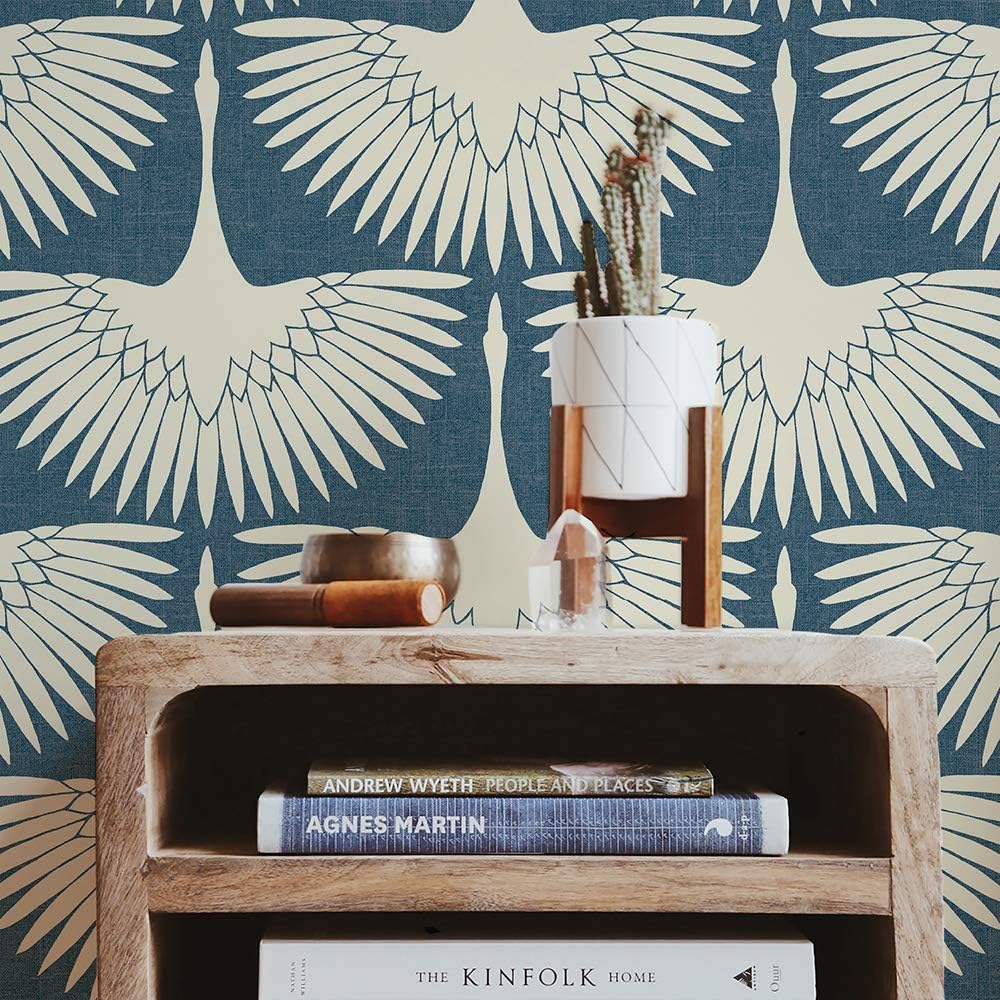
Tempaper
Tempaper offers a beautiful variety of impressive designs (available on Amazon). With raving reviews from both renters and homeowners, this is a great way to bring in an incredible design into your space. Tempaper also offers the option to make custom wallpaper or decals!
Loomwell
Loomwell offers a variety of other home decor products, but their peel and stick wallpaper is top of the line. Stunning designs for all over your home, incredible quality, and renter-friendly easy removals.
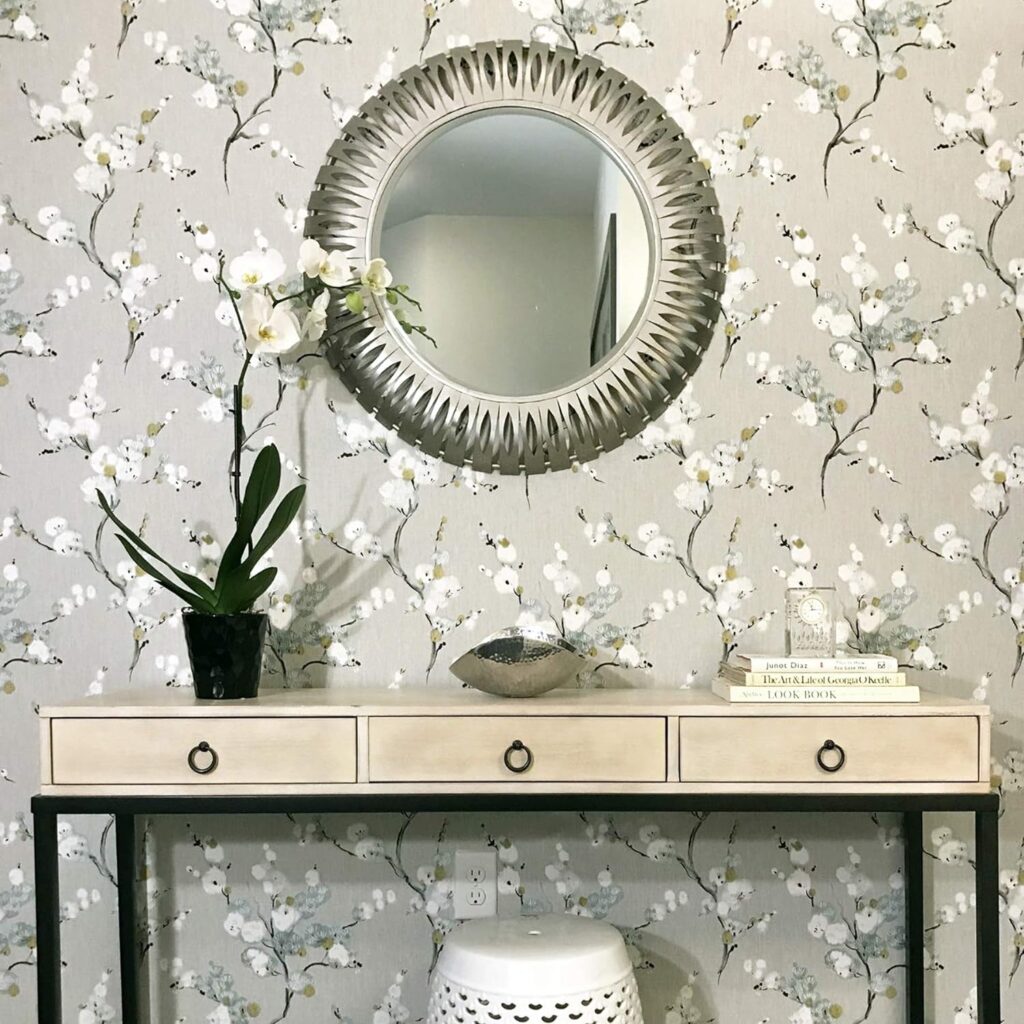
NuWallpaper
With a wide variety of modern to contemporary to eclectic and bright designs, Nuwallpaper is a more budget friendly way to bring in a stunning design element into your home while being both affordable and damage-free.
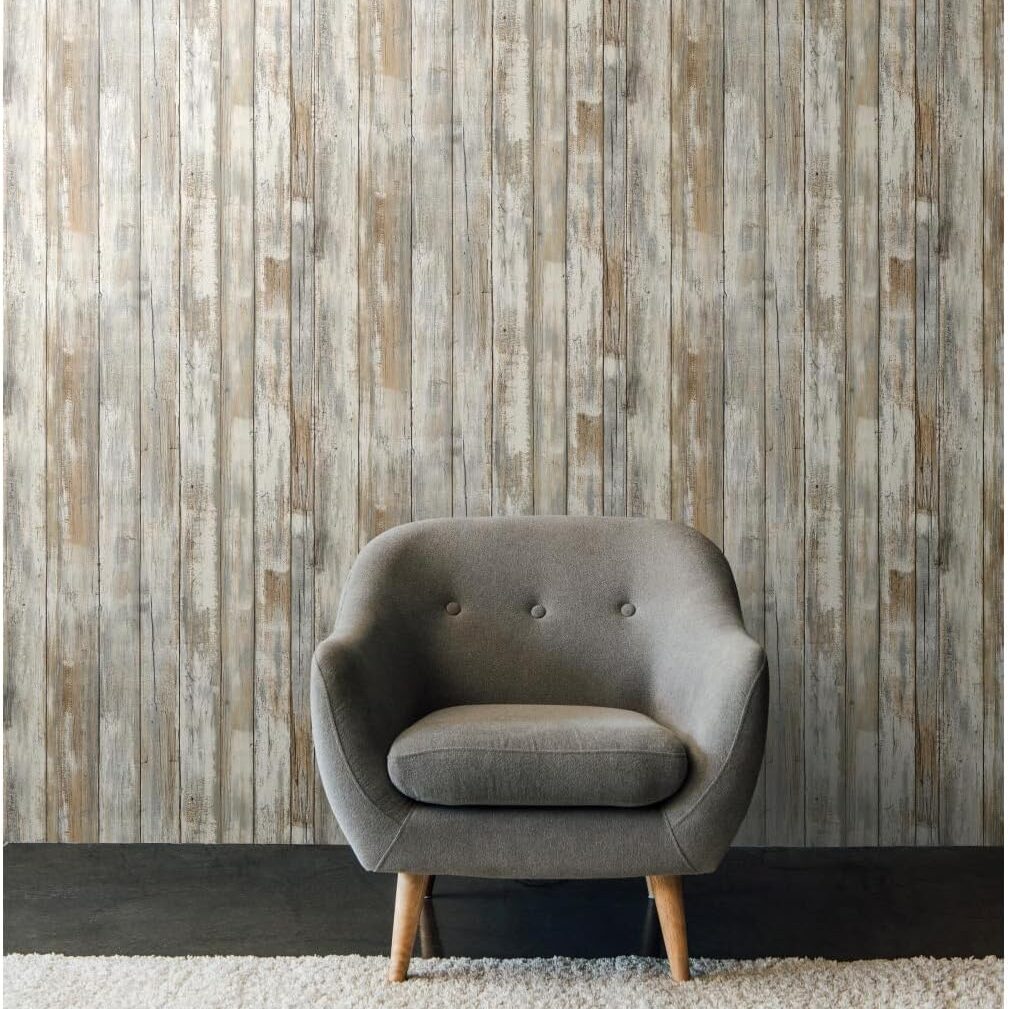
RoomMates
Another well-known peel and stick wallpaper brand we love is Roommates. Offering plenty of choices for wallpapers and wall decals this brand is a great option for renters who don’t want to worry about causing damage when removing products.
The Best Contact Paper Brands
Con-Tact
The Con-Tact brand offers a fun and beautiful variety of different designs into your home. The best part of contact papers is how creative you can be! You can update so many spaces, beyond the kitchen, with a roll of contact paper.
Decotalk
DecoTalk is another reputable brand we would recommend to our fellow renters. Affordable and easily accessible on websites such as amazon, this can be the perfect product for many renters looking to upgrade their space.
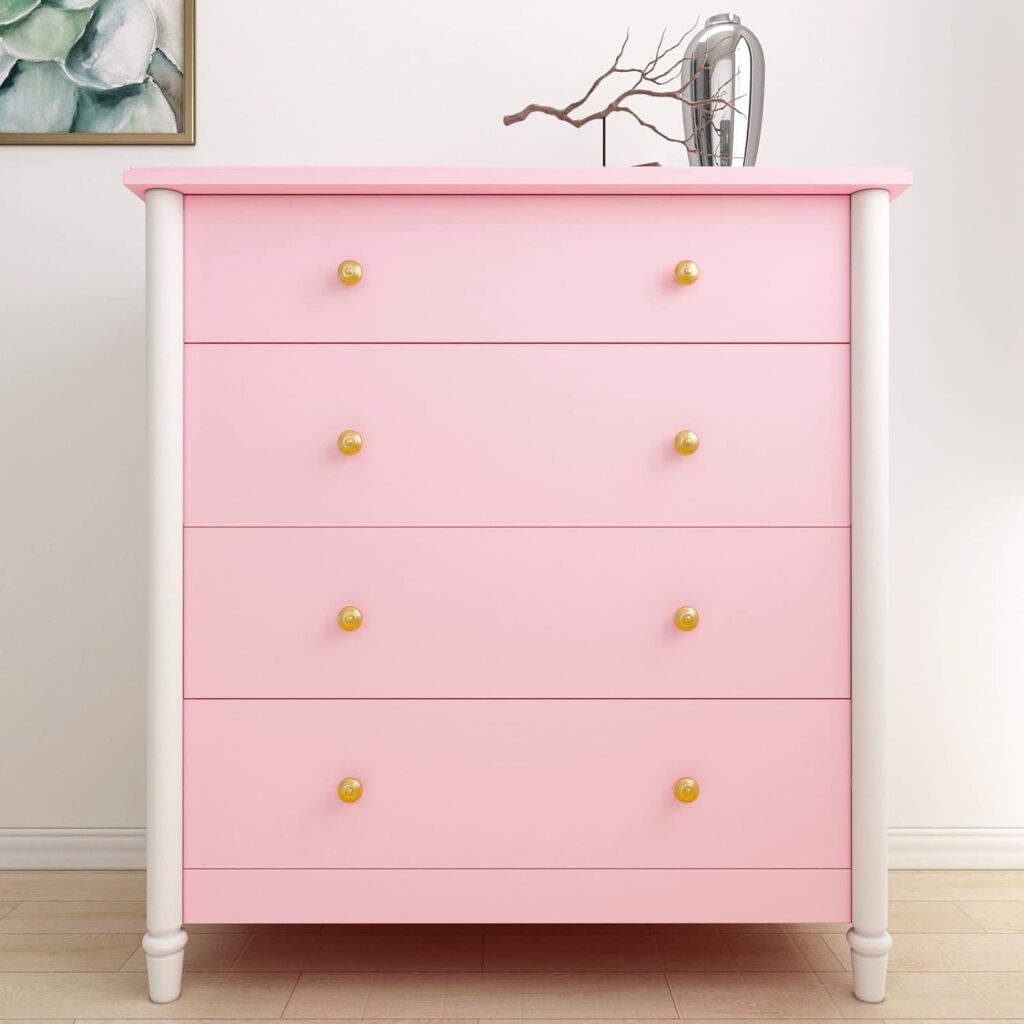
D-C Fix
Amazing quality and a variety of stunning designs, D-C Fix is a great source for your contact paper needs. You can choose this product for a great new countertop upgrade, or to upcycle an old piece of furniture into a stunning conversational piece.
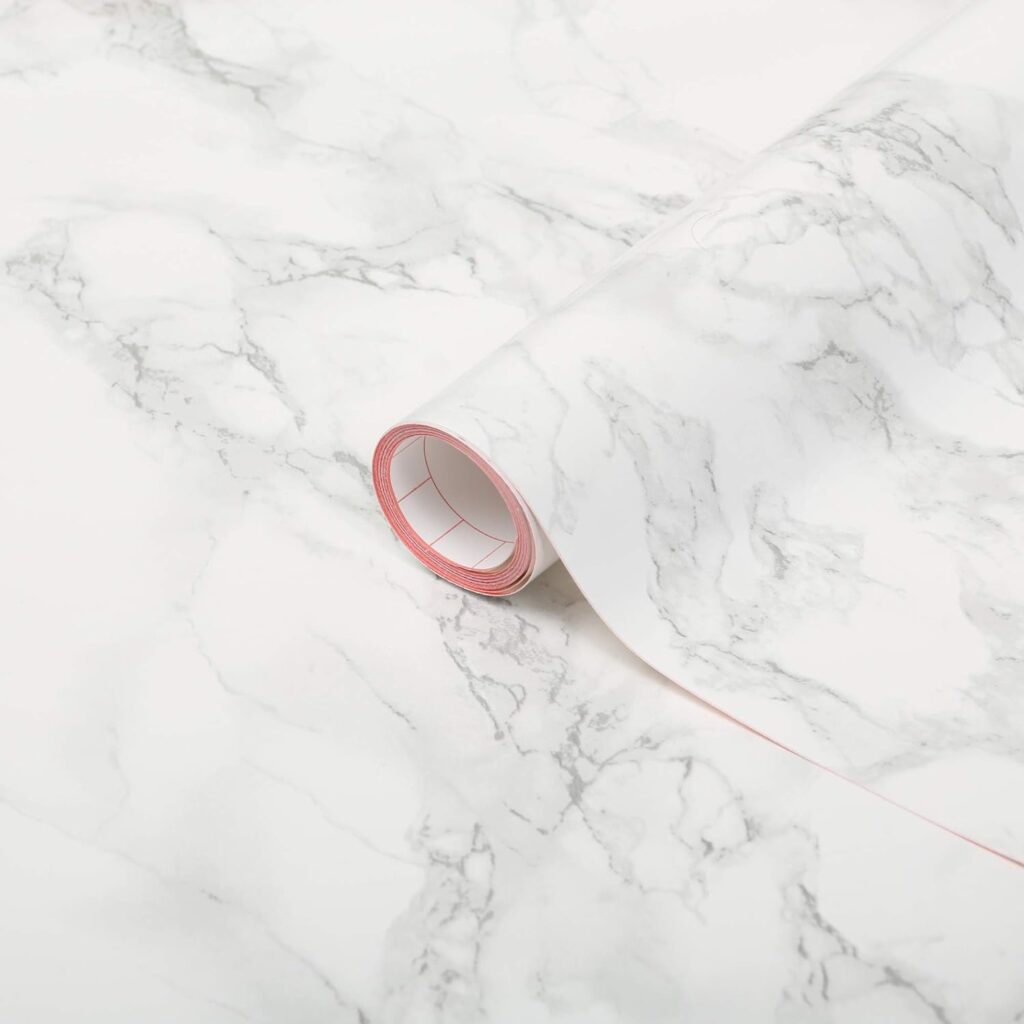
FunStick
Another great option for renters looking for a great quality contact paper is FunStick. This brand is great quality of course offers a variety of designs for many different style choices and needs.
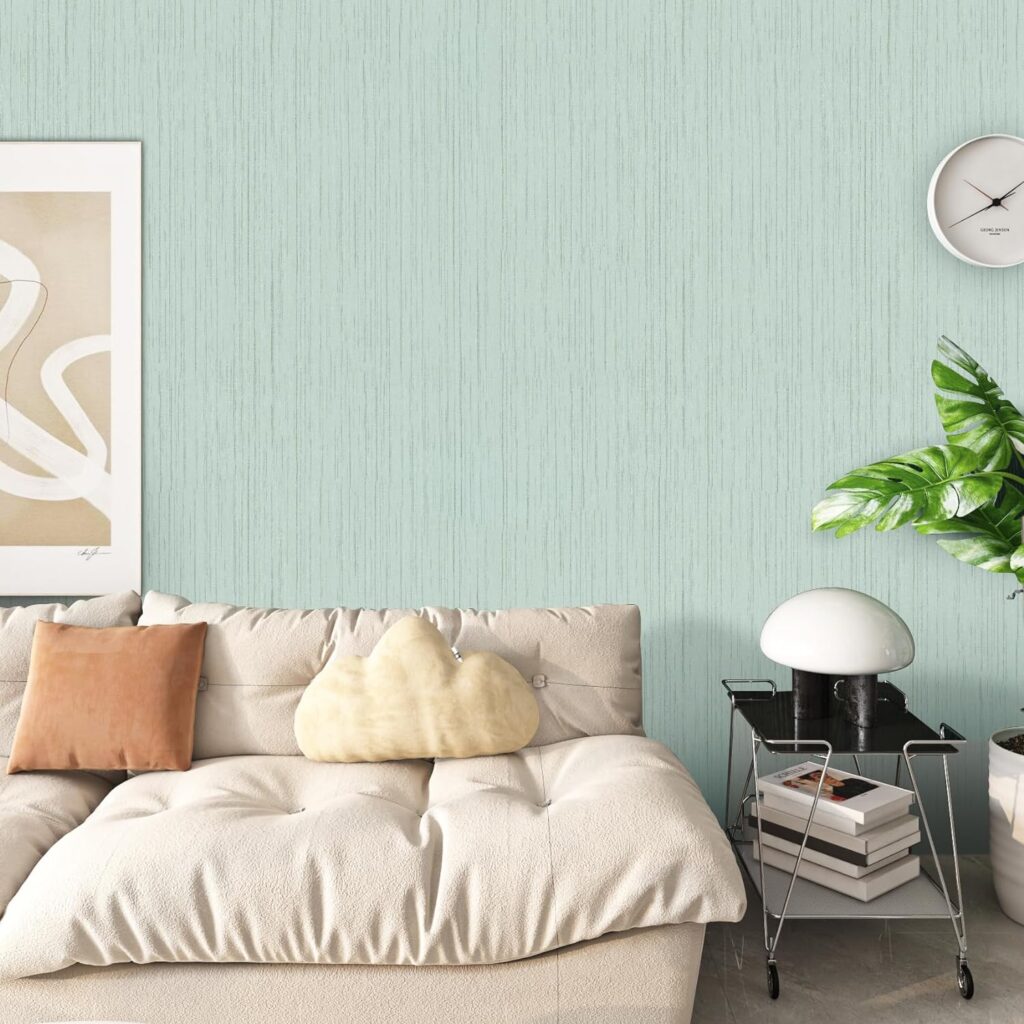
The Best Peel and Stick Tile Brands
Smart Tiles
SmartTiles is a popular peel and stick tile brand, and for great reason. They offer great quality peel and stick tiles sheets with easy installation and removal. These will hold up better than contact paper for backsplashes etc!
Tic Tak Tiles
Tic Tac Tiles is a fantastic budget-friendly alternative to Smart Tiles, offering a wide variety of styles at a more accessible price point. They are a great option for renters who want to upgrade a backsplash or bathroom feature wall without spending a lot. Great reviews, easy installation, and straightforward removal when it’s time to move out.
Frequently Asked Questions About Peel and Stick Wallpaper for Renters
Will peel and stick wallpaper damage apartment walls?
When applied and removed correctly, quality peel and stick wallpaper should not damage properly primed walls with a satin or semi-gloss finish. The biggest risk is with flat or matte paint, which is more prone to peeling when the wallpaper is removed. Always do a test patch first and remove slowly using low heat.
How long does peel and stick wallpaper last in a rental?
Most quality peel and stick wallpapers are designed to last 3–5 years under normal conditions. In high-humidity areas like bathrooms, the lifespan may be shorter. Keeping the edges sealed and avoiding steam exposure will help extend the life of the product.
Can I use contact paper on rental countertops?
Yes! Contact paper is one of the most popular rental countertop ideas because it can completely transform the look of a kitchen or bathroom without any permanent changes. Use a quality brand like D-C Fix, apply it carefully without air bubbles, and remove it slowly with low heat when it’s time to move out. Avoid letting water pool near the edges, as this can break down the adhesive over time.
What is the easiest peel and stick wallpaper to install?
Brands like Tempaper and NuWallpaper are known for being particularly beginner-friendly. Their materials are slightly forgiving — meaning you can reposition panels during installation if needed — which makes the process much less stressful for first-timers.
Is peel and stick wallpaper worth it for renters?
Absolutely. Removable wallpaper is one of the best investments a renter can make for transforming their space. It’s temporary, relatively affordable, and the visual impact of a well-designed accent wall is dramatic. When you move out, you take your style with you — and your deposit stays intact.
Have a peel and stick brand you love that we didn’t mention? Drop it in the comments below — we’d love to hear what’s working for you! And if you found this guide helpful, be sure to save it to Pinterest so you can reference it when you’re ready to start your next rental upgrade.

Leave a Reply